“Whoever controls oil, controls enormous parts of the global economy.”
The UAE is just walked away from OPEC, and the global energy order may never be the same again. The United Arab Emirates has announced it is leaving both OPEC and OPEC+. That sentence may sound like the sort of thing people scroll past while searching for air fryers and recipes and videos of raccoons stealing cat food. Huge mistake, because this is not just an oil story. It is a power story, a money story, a geopolitical warning shot that possibly for the beginning of major fracture in the global energy system.
To understand why this matters, you first need to understand what OPEC stands for. So, what exactly is OPEC? It's an organization of the Petroleum Exporting Countries. It was founded in 1960 by Iran, Iraq, Kuwait, Saudi, and Venezuela after oil-producing nations became increasingly furious that the Western oil corporation were effectively controlling prices and profiting massively from their natural resources.
“Oil just isn’t another commodity. Oil runs civilization.”
So, these countries did something radical. They organized. The goal was very simple: control oil supply together so they could influence global prices and protect their own economic interests. And because oil is just isn't another commodity oil runs civilization. Your fuel, your food, your transportation, your heating, your global shipping, manufacturing, aviation, plastics, supply chains. The modern life is essentially hydrocarbons wearing a different outfit.
So, OPEC understood something before much of the world admitted it: whoever controls oil, controls enormous parts of the global economy. So later OPEC realized it needed more firepower, so it expanded into what became known as OPEC+, bringing in major non-OPEC producers, most notably Russia.
Together OPEC and OPEC+ became one of the most powerful economic alliances on earth. So, when they cut production, prices rise, and when they increase production, prices fall. And when oil prices move, inflation moves. So, which means your supermarket bill, your mortgage pressure, you know, everything is affected by petrol prices.
So, when they decided to move away, we needed to listen.
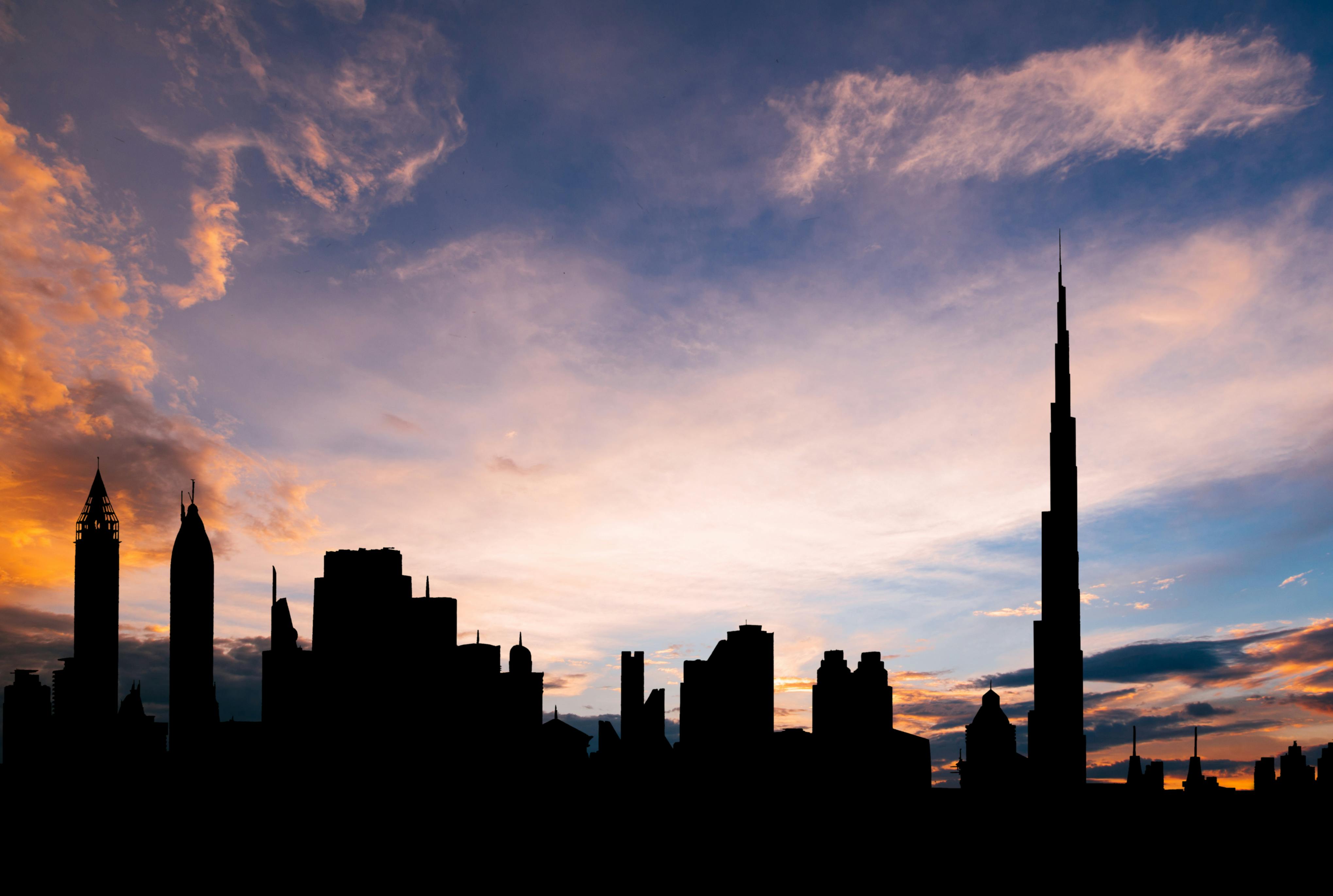
So why has UAE walked away? Officially, the United Arab Emirates says it wants greater flexibility over its production strategy. Unofficially, I think the UAE appears tired of being constrained by the system increasingly dominated by Saudi Arabia. And this is where Abu Dhabi National Oil Company, better known as ADNOC, becomes incredibly important. ADNOC is the UAE's state-owned energy giant, one of the largest oil productions in the world.
“This is no longer merely about cooperation. It is about ambition.”
Over recent years, the UAE has poured billions into expanding ADNOC's production capacity. They invested heavily in infrastructure, drilling capabilities, and also the global energy expansion. So, in simple terms, the UAE built itself into an oil superpower capable of pumping significantly more crude, but under OPEC quotas they were often restricted from fully using the capacity.
So eventually they decided to pull apart. So why are we spending billions increasing production if another group then tells us they cannot fully produce? This is what ADNOC's biggest question was. So, because this is no longer merely about cooperation, it's about ambition. UAE increasingly sees itself not as Saudi Arabia's quiet junior partner, but as an independent regional heavyweight with its own strategic interests.
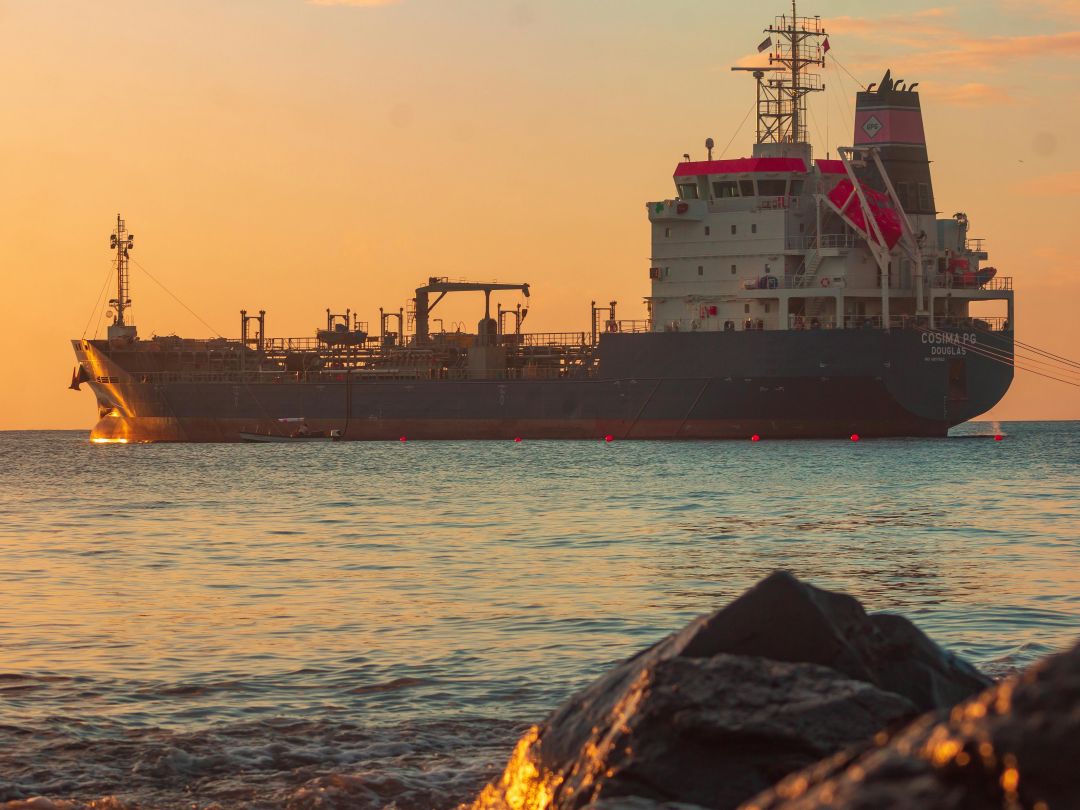
So now it has acted accordingly. The timing could not be more explosive. This is all happening while the Middle East is already facing enormous instability tied to the Iran conflict and disruption around the Strait of Hormuz, one of the world's most critical oil shipping routes. In other words, the global energy market is already nervous and in the middle of that uncertainty, one of OPEC's most powerful members has just stepped away from the cartel structure entirely. That sends a message, an extremely loud one too.
“Cartels only work as long as members choose cooperation over self-interest.”
So why does this matter globally? Cartels only work if member corporate. The moment countries start to pull out, well, actually we would rather maximize on our own profits than obey production rules, the entire structure weakens. And in more, and if more countries do this, eventually OPEC's ability to control global oil prices could start eroding.
That has massive implications. Potentially more volatile oil prices, weaker Saudi influence, increased competition between producers, periods of oversupply, geopolitical instability inside the area, and major shifts in the global energy alliances. So short term, oil prices may remain elevated because of the regional tensions. Long term, though, this could mark the beginning of a more fragmented energy supply where producers increasingly act alone, and fragmented systems are often unstable systems.
So, for all the speeches about green transitions and net zero targets, the modern world is still profoundly dependent on oil. Governments talk about renewables while quietly panicking every time energy prices surge. Corporations advertise sustainability while global supply chains remain overwhelmingly fossil fuel dependent. So even electric cars require mining, manufacturing, shipping, energy grids powered heavily by hydrocarbons. So, oil still matters.
“What is changing is not oil’s relevance, but who controls its future.”
Which is why the story matters enormously, because UAE has not merely exited an organization, it may have exposed a growing reality: the old global energy order starting to crack. And then when systems built on this, the power strategic self-interest begin fracturing, the consequences rarely stay contained for long.
So, I’ll leave you with this thought.
What we are witnessing is not just an energy transition, but a restructuring of global power itself.
Oil is not disappearing from the world any time soon. What is changing is who controls it, how it is negotiated, and what it represents in the balance of nations.
Because in the end, this is not just about energy. It is about money, power, regional rivalry, and a shifting world order that is still being written.