Luxury is undergoing one of the most significant transformations in modern economic history, it is no longer defined by ownership or exclusivity alone. Increasingly, it is being shaped by wellbeing, emotional balance, time quality, and conscious living: especially in the lives of women who are now central to this global shift.
A trillion-dollar wellness-driven luxury economy
As per the Global Wellness Institute research:
“The global wellness economy has reached $6.8 trillion in 2024, and is projected to reach $9.8 trillion by 2029, growing at 7.6% annually.
The report identifies the fastest-growing segments as wellness real estate and mental wellness, expanding at 19.5% and 12.4% annually respectively (2019–2024).
It further states that wellness spending now represents 60% of global health and medical expenditure, marking a structural shift in how societies define healthcare, prevention, and lifestyle itself.’’
Mental wellness and wellness real estate are identified as the fastest-growing segments, both expanding at double-digit growth rates.
Luxury is no longer external to health systems. It is merging into them.
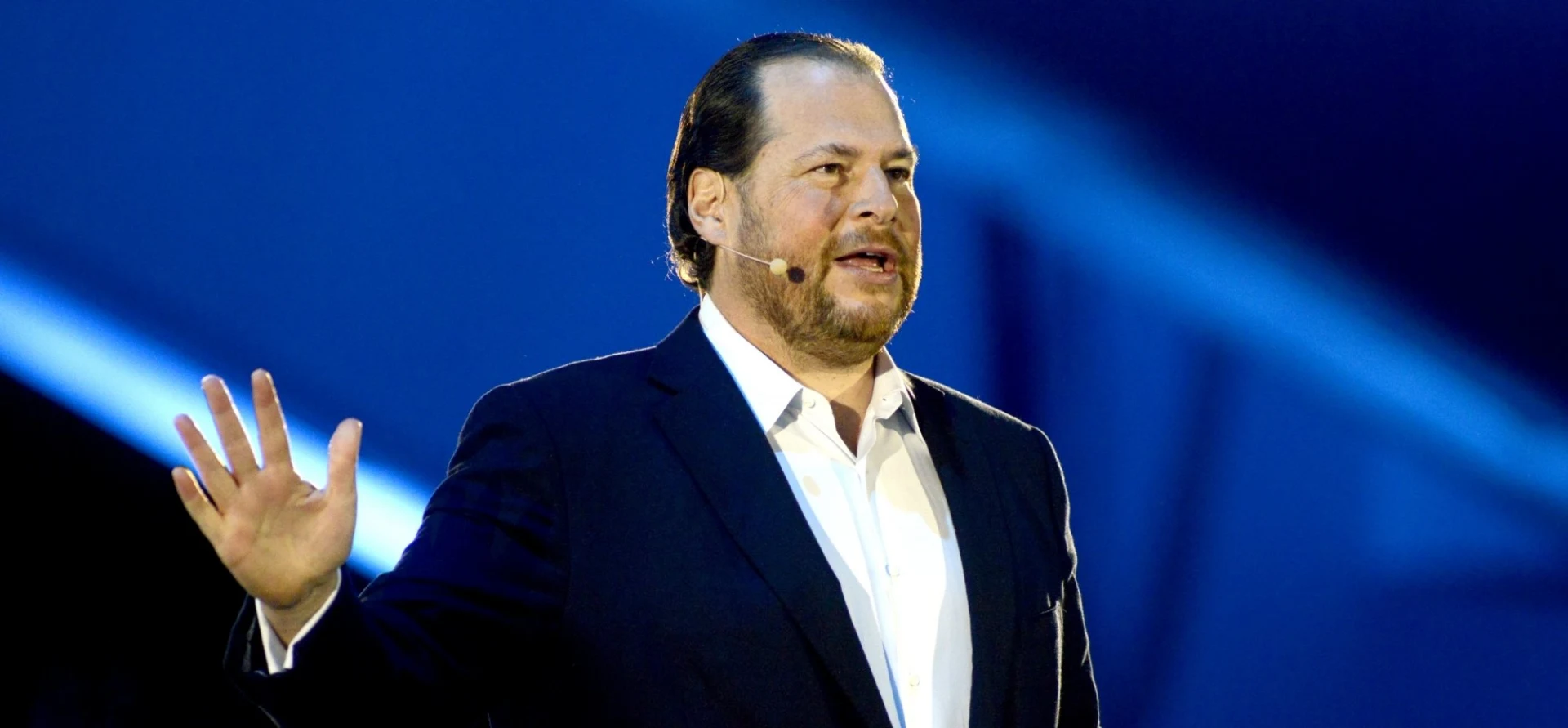
Marc Benioff, Chair and CEO, Salesforce said:
“CEOs around the world need to realize they must mandate for all stakeholders, not just shareholders. And there has been a mantra for too long that the business of business is business, but today the business about business is improving the state of the world.’’
Wellness is now everyday consumer behaviour
As per the McKinsey Future of Wellness Survey:
“The U.S. wellness market exceeds $500 billion annually, growing at 4–5% per year. The report highlights that 84% of US consumers consider wellness a top or important priority, rising to 94% in China.
It further notes that nearly 30% of Gen Z and millennials prioritize wellness significantly more than the previous year.”
Wellness is no longer occasional. It is embedded in daily structure and behavior. Everyday reality includes:
1. Sleep optimization through wearables and environment design
2. Therapy replacing impulse consumption cycles
3. Fitness routines like yoga, pilates, and recovery training
4. Functional nutrition replacing convenience-based eating
Sleep has become a measurable and optimized luxury category.
Everyday Luxury: From Consumption to Regulation
1. Therapy instead of retail cycles
2. Skincare as emotional grounding
3. Fitness as mental stability
4. Sleep as structured priority
5. Nutrition as preventive wellbeing
Luxury is no longer appearance. It is internal regulation.
Women are driving the new luxury economy
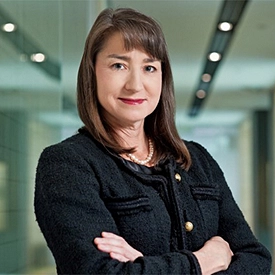
Elizabeth Faber, Deloitte Global Chief People & Purpose Officer in Deloitte’s 2024 Gen Z and Millennial Survey said:
“Gen Zs and millennials are grappling with financial insecurity, high stress levels and mounting climate anxiety. They are also considering how quickly evolving technology, like GenAI, will affect their jobs and their longer-term careers decisions.
But they see reasons for optimism in the year ahead and they continue to push for the changes they want to see, in the workplace and society more broadly.
Gen Zs and millennials expect a lot from their employers and from business more broadly. But what they are asking for is what most employees in the workforce, regardless of age, likely want: meaningful work within purpose-driven organisations, the flexibility to balance work and personal priorities, supportive workplaces which foster better mental health and opportunities to learn and grow in their careers.
Employers who work to get these things right will have a more satisfied, productive, engaged and agile workforce who are better prepared to adapt to a quickly transforming world.”
McKinsey Future of Wellness Survey highlights that:
‘’40% of Gen Z report feeling “almost always stressed,” compared to 23% overall. It also notes increased engagement across wellness categories including therapy, mindfulness apps, and recovery tools.’’
This reflects a shift where consumption is no longer material: it is emotional regulation.
Luxury for women is becoming internal stability.
Everyday examples:
1. Therapy replacing retail cycles
2. Skincare as emotional reset
3. Flexible work prioritizing mental wellbeing
4. Clean nutrition for family health
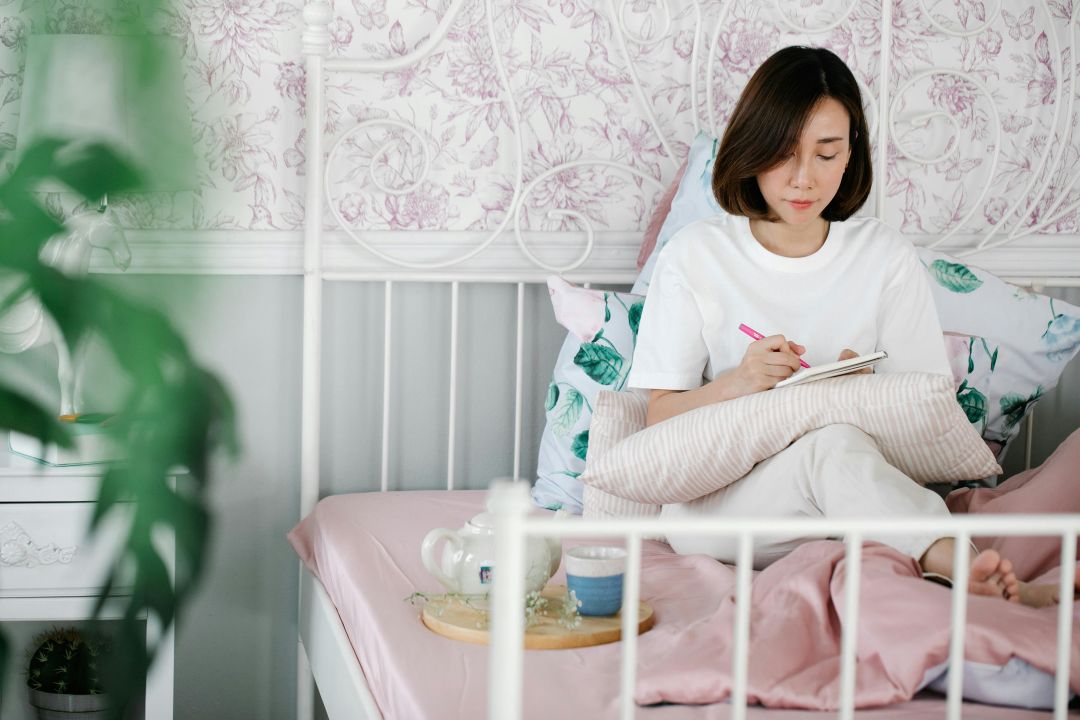
Conscious luxury consumption
Luxury consumption is becoming intentional, selective, and emotionally aware.
Globally, the market is splitting between ultra-high-net-worth consumers and selective aspirational buyers, with increasing preference for longevity, value, and emotional meaning over volume.
Everyday behaviour Include:
1) Fewer but higher-quality purchases,
2) sustainable and ethical product choices,
3) repair and reuse instead of replacement
4) delayed purchases to avoid emotional buying
Consumption is no longer economic alone. It is psychological and identity-based.
Conscious Living: New luxury behavior code
1. Minimal wardrobes over fast fashion cycles
2. Ethical sourcing over trend buying
3. Emotional clarity before consumption
4. Longevity over instant gratification
Luxury is becoming restraint.
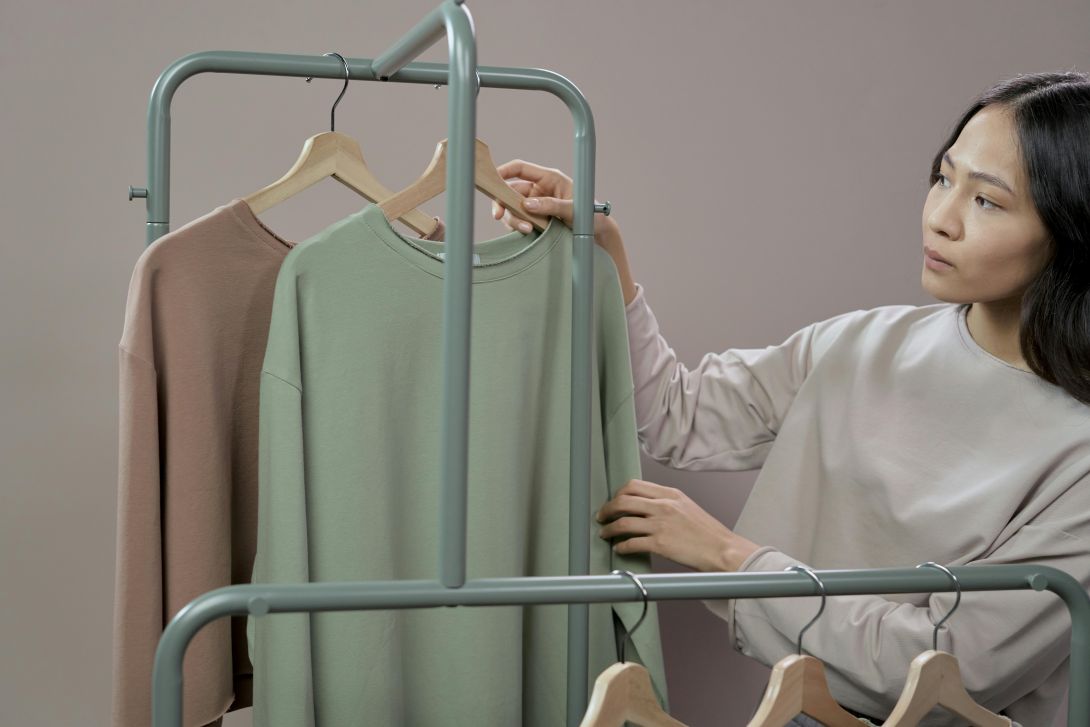
Mental wellness as the fastest-growing luxury segment
Global Wellness Institute research highlights:
“Mental wellness is growing at over 12.4% annually, making it one of the fastest-expanding sectors in the global wellness economy.”
Mental wellness is no longer support infrastructure: it is central infrastructure.
Everyday manifestations:
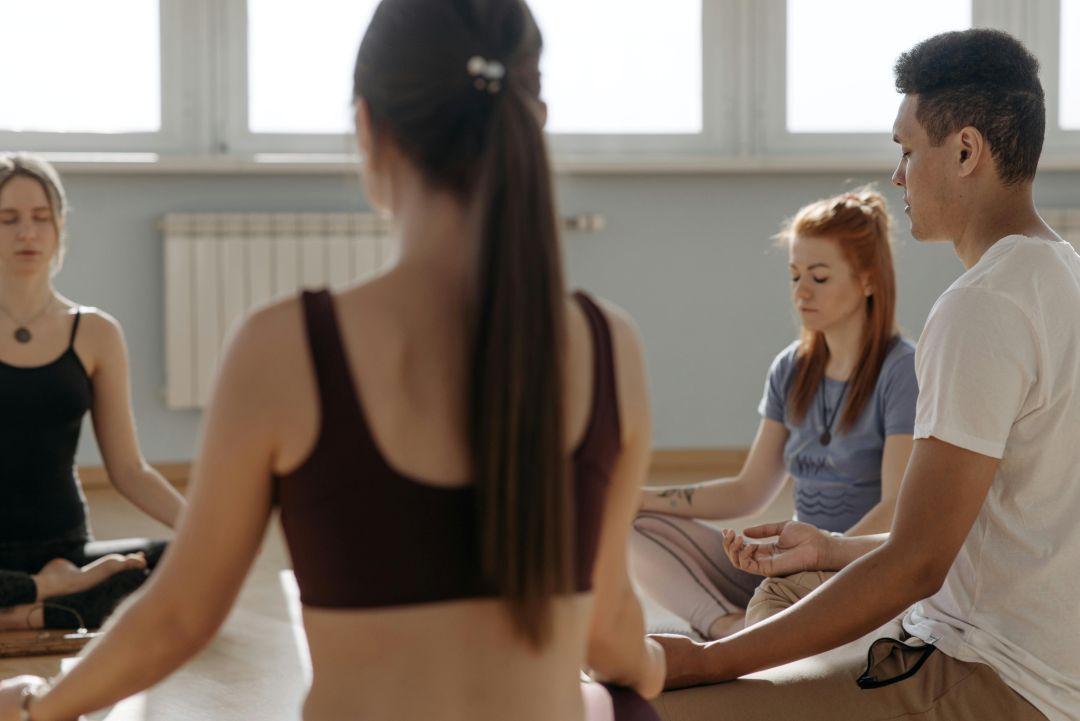
1. Scheduled “do nothing” time
2. Meditation and breathwork routines
3. Digital boundaries for emotional stability
4. Quiet environments for cognitive recovery
Calm is becoming measurable luxury.
Barbara Lavernos, Deputy Chief Executive Officer, Research, Innovation & Technology, L’Oréal Groupe said:
“Longevity is a scientific and societal paradigm shift. At L’Oréal, we envision a future where beauty and longevity are seamlessly intertwined as skin health is quintessential to add life to years with vibrant healthy aging.”
Beauty and fashion merging with wellness science
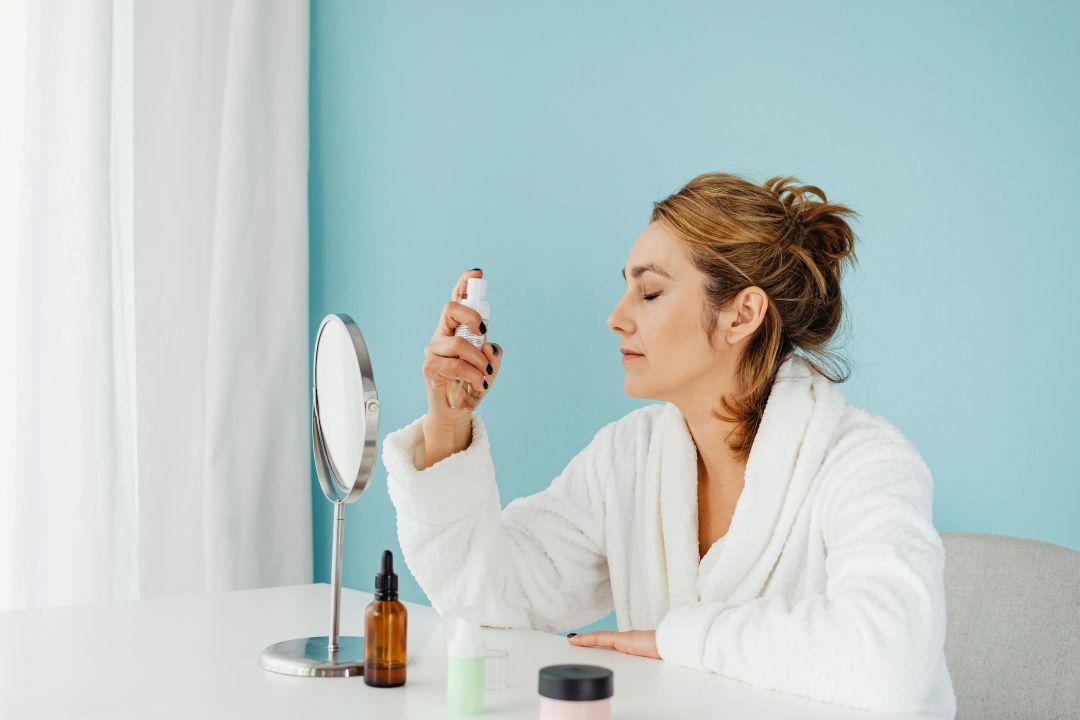
Beauty is shifting from aesthetic correction to biological support. Everyday examples include: 1) Collagen supplements for skin and joints, 2) Skincare as emotional relaxation ritual, 3) Makeup as self-expression, not validation, 4) Minimal routines focused on skin health
Beauty is now defined by internal impact.
The home as the new luxury ecosystem
The home has become the central environment of wellness.
Everyday examples Include: 1) Sleep-optimized bedrooms, 2) Meditation or reading corners, 3) Ambient lighting and scent therapy, 4) Clutter-free mental clarity spaces
The home is now a wellness infrastructure system.
Luxury redefined: time, calm, emotional stability
Across global markets, the strongest luxury indicators are now non-material:
1. Time autonomy
2. Mental clarity
3. Emotional stability
4. Sleep quality
5. Reduced stress levels
Everyday expression:
1. Leaving work on time without guilt
2. Fewer social commitments for emotional balance
3. Energy-based lifestyle structuring
4. Rest as productivity tool
Luxury is no longer external. It is internal regulation.

“Wealth consists not in having great possessions, but in having few wants.”
— Epictetus, Greek Stoic philosopher
Luxury is no longer about accumulation.
It is about alignment.
And increasingly, it is not about being seen.
It is about being well.